• Skip to main content
  • Skip to secondary menu
  • Skip to primary sidebar
  • Skip to footer
Irish America

Irish America

Irish America

  • HOME
  • WHO WE ARE
    • ABOUT US
    • IRISH AMERICA TEAM
  • IN THIS ISSUE
  • HALL OF FAME
  • THE LISTS
    • BUSINESS 100
    • HALL OF FAME
    • HEALTH AND LIFE SCIENCES 50
    • WALL STREET 50
  • LIBRARY
  • TRAVEL
  • EVENTS

Irish Surnames

Roots: The Burkes

By James G. Ryan

July/August 1997
February 14, 2025 by Leave a Comment

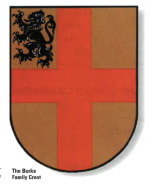
Burke (or Bourke) is one of the most popular Irish names of Norman origin. The name was introduced to Ireland through the person (and presumably extended family) of William Fitzadelm de Burgo, who came to Ireland in 1169 with the Norman invasion forces. William was granted large estates of O'Connor land in Connacht but the family did not effectively gain possession of this … [Read more...] about Roots: The Burkes

Roots: Phelan, Whelan, and Fallon

By James G. Ryan

April / May 1999

June 13, 2024 by Leave a Comment

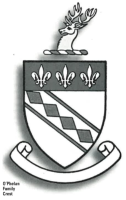
The origin of the names Phelan and Whelan is an excellent example of the vagaries of Anglicization of Irish names. Both of these names are derived from the same Gaelic name O'Fáolain. Although Whelan is more common, Phelan is common in areas of Kilkenny and Waterford. The O'Faoláins were Princes of the Decies, a kingdom in the area of the current County Waterford. The Fallons … [Read more...] about Roots: Phelan, Whelan, and Fallon

Roots: The “Mul” Names

By James G. Ryan, Contributor
June / July 2000

March 22, 2023 by Leave a Comment

A large range of Irish names begin with the prefix "Mul." Examples include Mulcahy, Mulvihill, Mullally, and Mullan. These names have no familiar connections, but like the names beginning with "Gil," all have their origin in a common name form. They almost all derive from the Gaelic word "Maol" meaning follower, servant, or devotee. The name was invariably preceded by O as … [Read more...] about Roots: The “Mul” Names

Roots: The Kavanaghs

By James G. Ryan

May / June 1998

July 1, 1998 by Leave a Comment

Unlike most of the families covered in this column, the origin of the Kavanaghs or Cavanaghs can be traced back to one specific person. This was Donal, the son of Dermot McMorrough, a twelfth-century king of Leinster. This Dermot has an infamous place in Irish history since it was through his invitation that the Normans first came to Ireland, in 1169 AD. Dermot's son, Donal, … [Read more...] about Roots: The Kavanaghs

Roots: Jordan, Rice and Power Families

By James G. Ryan

May/June 1994

May 31, 1994 by Leave a Comment

Readers have asked about the origin of the names Jordan, Rice and Power, only the last of which is in any way common. However, some explanation is provided below. The name Jordan is common in England but few Irish Jordans are derived from the English source. The Irish Jordans are derived from a Norman family which settled in Connaught in the 12th century. The name is derived … [Read more...] about Roots: Jordan, Rice and Power Families

« Previous Page
Next Page »

Primary Sidebar

Featured Video

Featured Podcast

News from the Irish Post

  • Man jailed over casino robbery which left staff traumatised

    A NEWRY man has been jailed after pleading guilty to robbing a casino. Ryan McCamley was sentence...

  • Prime Minister and Taoiseach strengthen ties in Manchester

    TAOISEACH Micheál Martin met Prime Minister Andy Burnham in Manchester last week, just days after...

  • Belfast gets planning for Fleadh 2027

    PREPARATIONS are already underway in Belfast for Fleadh Cheoil na hÉireann 2027. Hot off the succ...

  • Public urged to nominate walls to be used for street art mural

    THE Irish public has been asked to nominate walls across the country that would make a good locat...

September 22, 1975

The brief ceasefire in Northern Ireland, which occurred in the early half of 1975, comes to an end on September 22, 1975 after the provisional IRA sets off about 15 bomb blasts through out central Belfast. One bombing involved a hijacked train, which was blown up. The blast injured 12 people, two seriously, but there were no deaths. The ceasefire would officially come to an end in January 1976.

Footer

Follow Us

  • Facebook
  • Instagram
  • LinkedIn
  • Twitter
  • YouTube

Subscribe

  • Subscribe
  • Give a Gift
  • Newsletter

Additional

  • Advertise
  • Contact
  • Terms of Use & Privacy Policy

Copyright © 2026 · IrishAmerica Child Theme on Genesis Framework · WordPress · Log in