• Skip to main content
  • Skip to secondary menu
  • Skip to primary sidebar
  • Skip to footer
Irish America

Irish America

Irish America

  • HOME
  • WHO WE ARE
    • ABOUT US
    • IRISH AMERICA TEAM
  • IN THIS ISSUE
  • HALL OF FAME
  • THE LISTS
    • BUSINESS 100
    • HALL OF FAME
    • HEALTH AND LIFE SCIENCES 50
    • WALL STREET 50
  • LIBRARY
  • TRAVEL
  • EVENTS

Killybegs, a natural harbor with a long tradition of fishing. Courtesy of Tourism Ireland.

May 17, 2013 by Leave a Comment
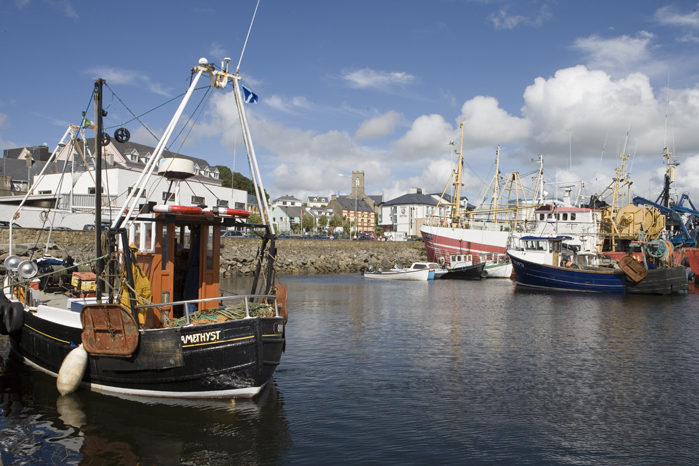
Killybegs, a natural harbor with a long tradition of fishing. Courtesy of Tourism Ireland.

Reader Interactions

Leave a Reply Cancel reply

Your email address will not be published. Required fields are marked *

Primary Sidebar

Featured Video

Featured Podcast

News from the Irish Post

  • Candlelit ceremony held for families grieving the loss of a child

    A CANDELIT ceremony was held this week for families who are grieving the loss of a child in North...

  • New chief scientific adviser appointed to help lead Northern Ireland's healthcare sector

    A NEW chief scientific adviser has been appointed to the Department of Health in Northern Ireland...

  • Man left seriously injured following machete attack

    A MAN was left with serious injuries after being attacked with a machete in the early hours of th...

  • Gael Londain celebrates 10 years with anniversary event at Hazelwood

    THE London GAA club marked its first decade with a celebration honouring its founding members and...

October 20, 1933

“A Soldier’s Song” becomes the official National Anthem of Ireland on this day in 1933. Written by Peader Keaney and composed by Patrick Heeney in 1907, the song was first published in 1912 and quickly became very popular. It was used as a marching song by Irish Volunteers and the IRA during the Irish War of Independence. After the establishment of the Free State, “A Soldier’s Song” continued to be used by the army. The government purchased the copyright for the song on this day. The anthem was translated into the Irish language, “Amhran na bhFiann,” by Liam O Rinn.

Footer

Follow Us

  • Facebook
  • Instagram
  • LinkedIn
  • Twitter
  • YouTube

Subscribe

  • Subscribe
  • Give a Gift
  • Newsletter

Additional

  • Advertise
  • Contact
  • Terms of Use & Privacy Policy

Copyright © 2026 · IrishAmerica Child Theme on Genesis Framework · WordPress · Log in