
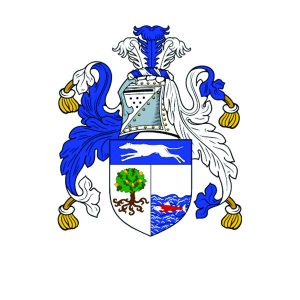
The McCooey surname has Armagh roots, deriving from the Gaelic name Mac Cumhaigh, meaning “son of Cú Mhaighe,” which translates to “hound of the plain.” This surname is an Anglicized form of a patronymic, where the “Mac” signifies “son of,” and the personal name Cú Mhaighe was common in the region of Armagh.
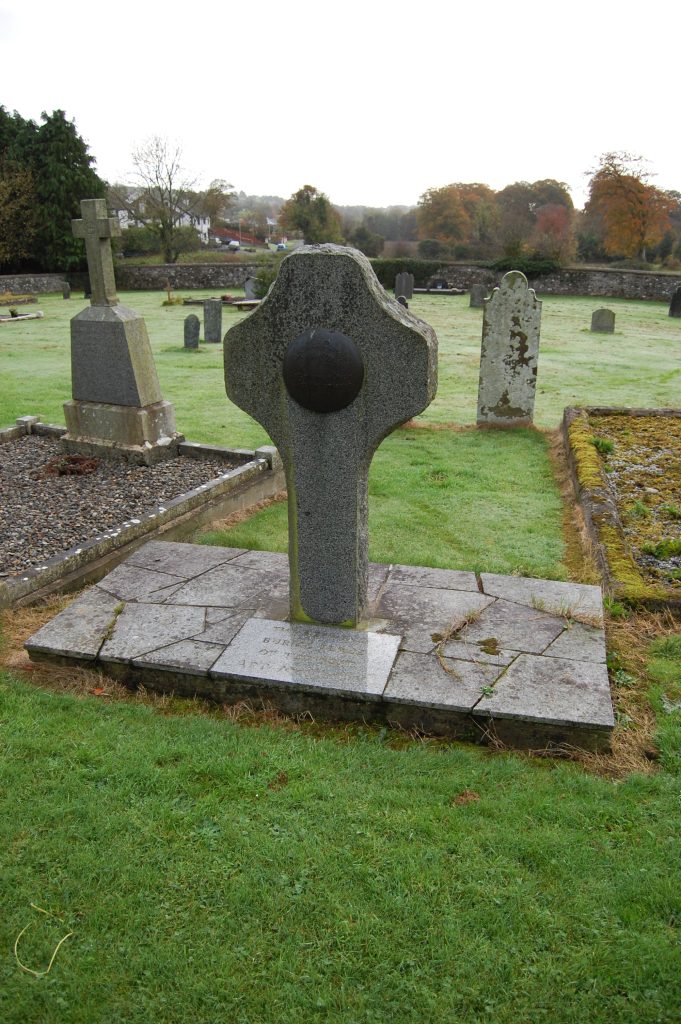
Famous individuals with the surname McCooey include the Gaelic poet Art McCooey, also known as Art Mac Cumhaigh, Art was among the most celebrated of the South East Ulster and North Leinster poets in the 18th century. He was part of the Airgíalla tradition of poetry and song, and according to allpoetry.com, he was known as “Art of the Song” for his oral poetry, much of which was composed extemporaneously.
Born a generation after the collapse of the tribal power structure in his part of Ireland, Art mourned the loss of the old order. He did his best to live the traditional way of a Gaelic bard – subsisting on the hospitality of his community.
In rural folk memory, a story about him forgetting to empty a cart of manure while lost in literary thought has passed down through the ages.
Patrick Kavanagh (1904-1967), poet and novelist, who carted dung himself, years before his move to Dublin, revisits the story in his poem “Art McCooey.” In the poem, Kavanagh reflects on his own past and creative process, which he describes as being shaped “Awkwardly but alive in the unmeasured womb.”
Australian poet and critic, David McCooey, is the author of several award-winning poetry collections. McCooey was born in London in 1967. He moved to Perth, Western Australia, with his family in 1970 and has been described as one of the pioneers of Australian studies of life writing.” The following quote is attributed to him: “If the message on the piece of paper says I love you, what about the brick it’s wrapped around? And what about the window?”
McCooey’s latest poetry collection, The Book of Falling, has won high praise from reviewers, including John Kinsella, who wrote in the Saturday Paper, “McCooey’s gift is his control of tone.”
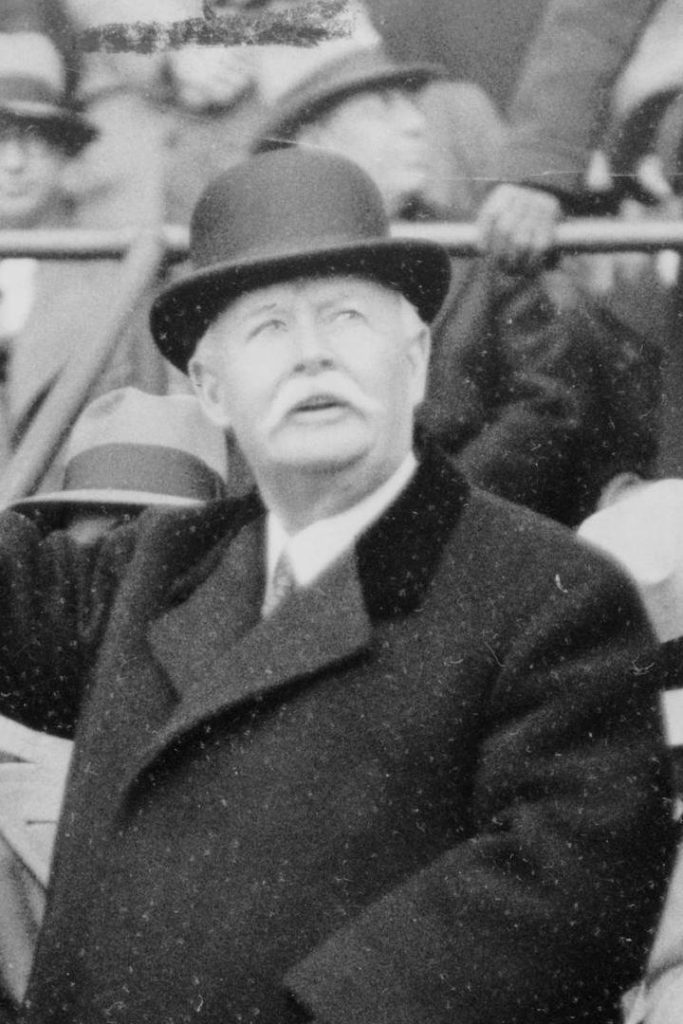
From poetry to politics. John Henry McCooey (1864-1934) was a powerful political boss who led the [Brooklyn] Kings County Democratic Party from 1910 until he died in 1934.
His son, John Henry McCooey, Jr. (1899–1948), followed his father into public service. His nomination to the bench in 1931 was considered a major highlight of his father’s political power. Junior became a Justice of the New York Supreme Court for the 2nd District in 1932, a position he held until his early death at age 48 on June 23, 1948. He is interred at Holy Cross Cemetery in Brooklyn, as is his father.
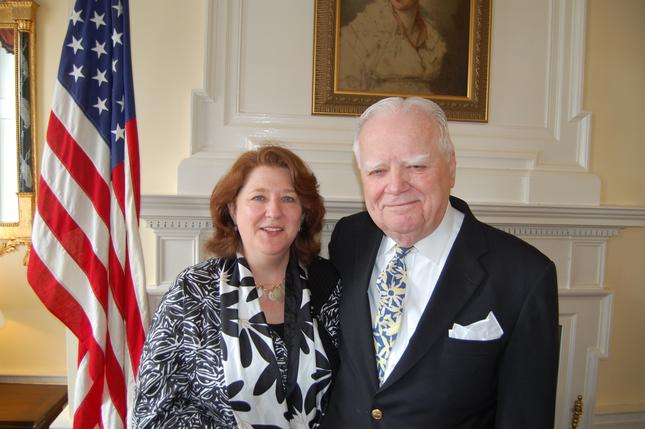
Born in Brooklyn on October 14, 1930, Richard McCooey is remembered for his contributions to Georgetown’s dining scene and as a well-known figure in the community.
The grandson of John H. McCooey Sr. and nephew to John H. McCooey Jr., Richard founded two of Washington, D.C.’s most famous restaurants. A 1952 graduate of Georgetown University, Richard dreamed of opening a student-focused restaurant. In 1962, he opened 1789 (named for the year John Carroll founded Georgetown University. That year, too, the state legislature made the Port of Georgetown a Maryland town. Finally, 1789 was the year the U.S. Constitution was enacted.)
The Tombs, the basement counterpart to 1789, McCooey, named after a poem from T.S. Eliot’s Old Possum’s Book of Practical Cats, in which “Bustopher Jones, the Cat About Town,” enjoys lunch at the tomb. During his service in the Air Force, McCooey’s nickname was “Bustopher Cat.” He also founded F. Scott’s, an Art Deco nightclub named for the novelist, F.Scott Fitzgerald.
McCooey was a longtime supporter of Georgetown University. He served on the Board of Governors of the school’s Alumni Association. In a surprise dinner in 2012 held on the 50th anniversary of the restaurant’s opening, he told those gathered: “I am so appreciative. I did all I wanted to do. As a freshman, walking along this street, I had that dream. I kept the dream.” McCooey died on August 6, 2014, at the age of 83.
While “McCooey” is not a common name, several athletes with this surname have been identified, particularly in the sports of tennis and field hockey. Additionally, a notable coach in American football in Ireland shares the name.
Tennis players and star-athlete brothers Cormac and Conor McCooey, from Dublin, competed for Mercyhurst University in Pennsylvania.
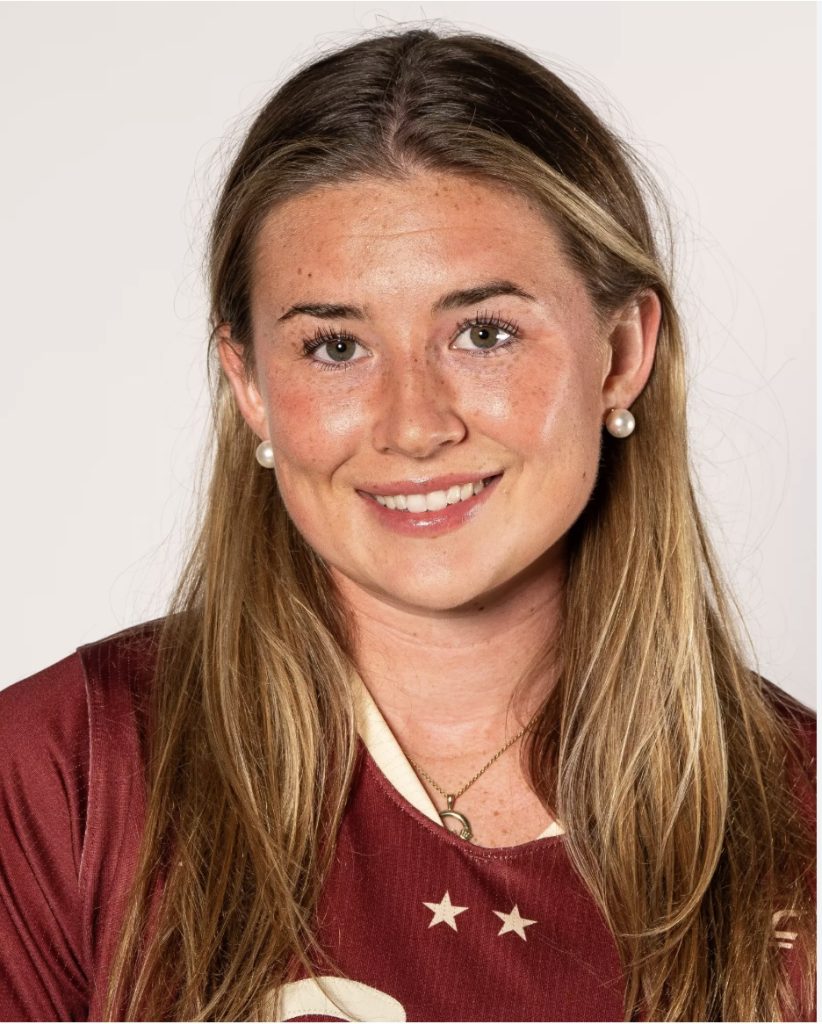
Meanwhile, sister athletes MaryHelen and Grace Ann McCooey from New Jersey are outstanding in their chosen fields: MaryHelen is a midfielder for the Boston College women’s lacrosse team, and her sister, Grace Anne McCooey, is a winning field hockey player on the Princeton University team.
As head coach of the Dublin Rebels, Ross McCooey is credited with the growth of American football in Ireland. After nearly two decades with the Rebels, he recently joined the Wexford Eagles as head coach.
Completing our exploration of McCooey greats, we arrive at Jane McCooey, an immigrant from County Armagh, who is a trailblazer in the business world and a star camogie player in New York City and New Jersey.
Profiled in this issue by Tom Deignan, Jane will serve as the Keynote Speaker at Irish America’s annual Wall Street 50 Gala, on October 27, 2025.




Leave a Reply