
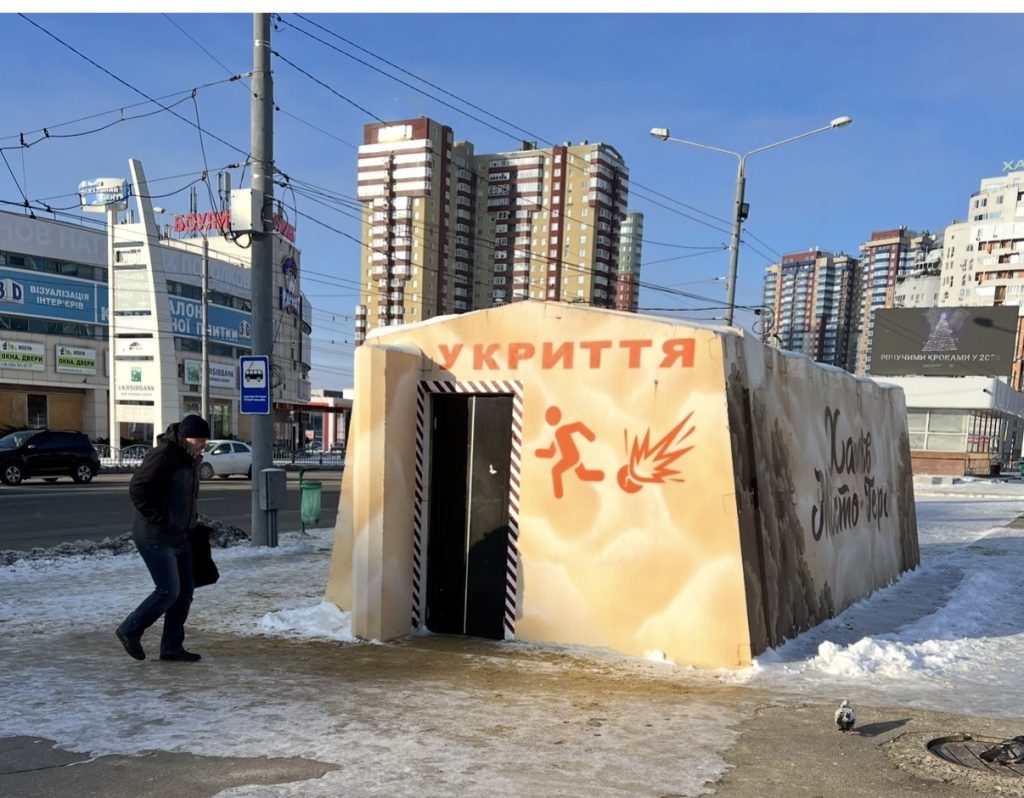
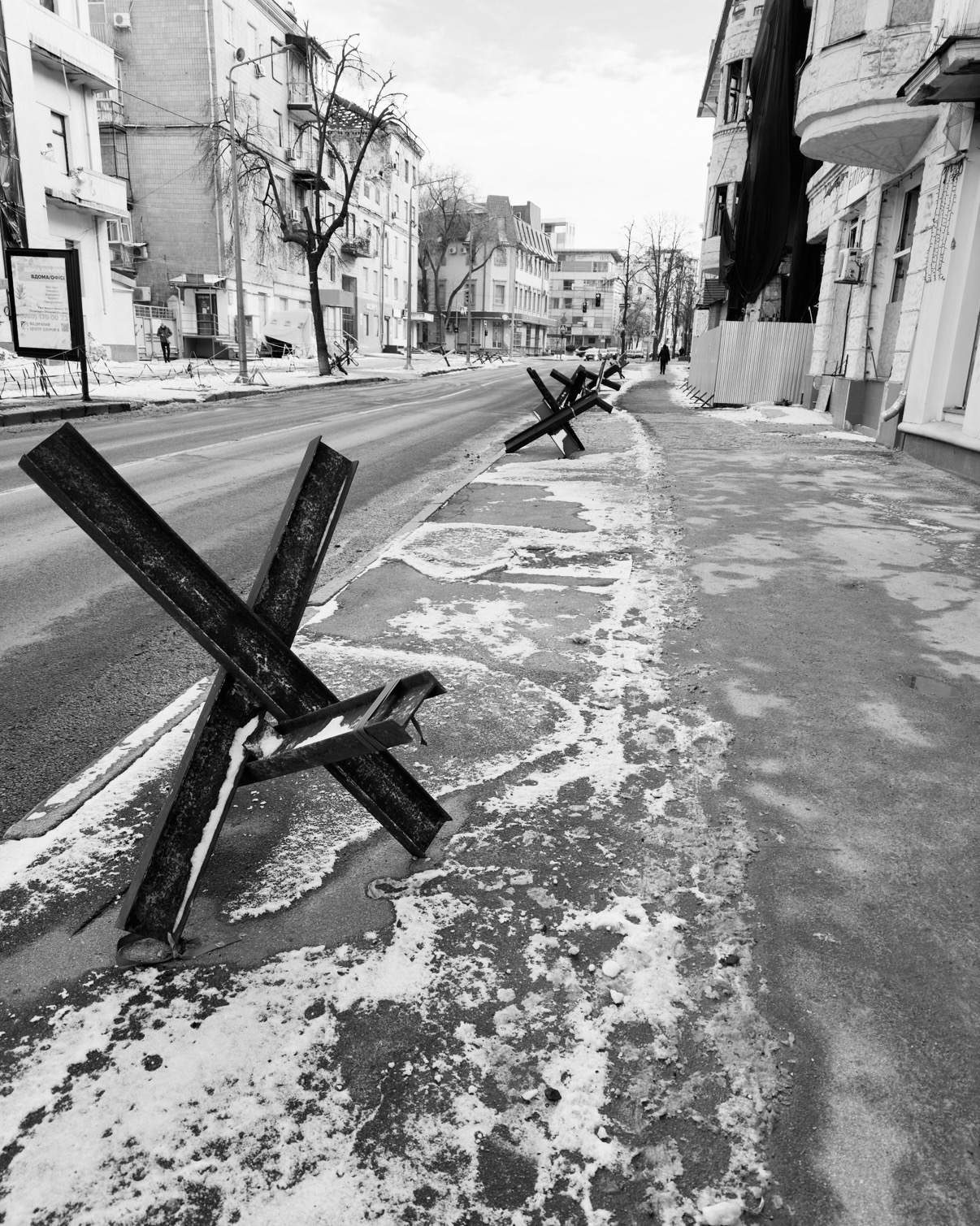
Kharkiv: Russia’s war on Ukraine looks different up close. It’s a mix of extreme danger and everyday functionality. Shopping malls, coffee shops and restaurants are open and thriving, despite the daily and nightly bombardments of this frontline city.
Kharkiv is about the size of Philadelphia, around 25 miles from the Russian border. The Russian army has been camped about 12 miles from the outskirts for well over a year. The air raid alarm sounds every few hours, day and night, urging locals to take shelter. Weary of the constant drudge down to safe basements, few take notice anymore.
Almost every day there are civilian casualties as a variety of missiles hit the city. Last week five fire fighters and an emergency worker were killed here when trying to put out a fire caused by a Russian attack. These “double tap” strikes are very common – the Russian military fires a missile, waits 20 minutes or an hour and then fires several more at exactly the same place, knowing that during that time firefighters, ambulance crews, police, local search and rescue volunteers and neighbors will have gathered to help those injured in the initial attack. Of course, first responders know this is likely when they rush to help at the site of an explosion, but go anyway.
Despite the attacks, most things function more or less routinely. Local buses, trams and metro services are efficient, the streets and parks are clean, the city center is full of shoppers and teenage skateboarders.
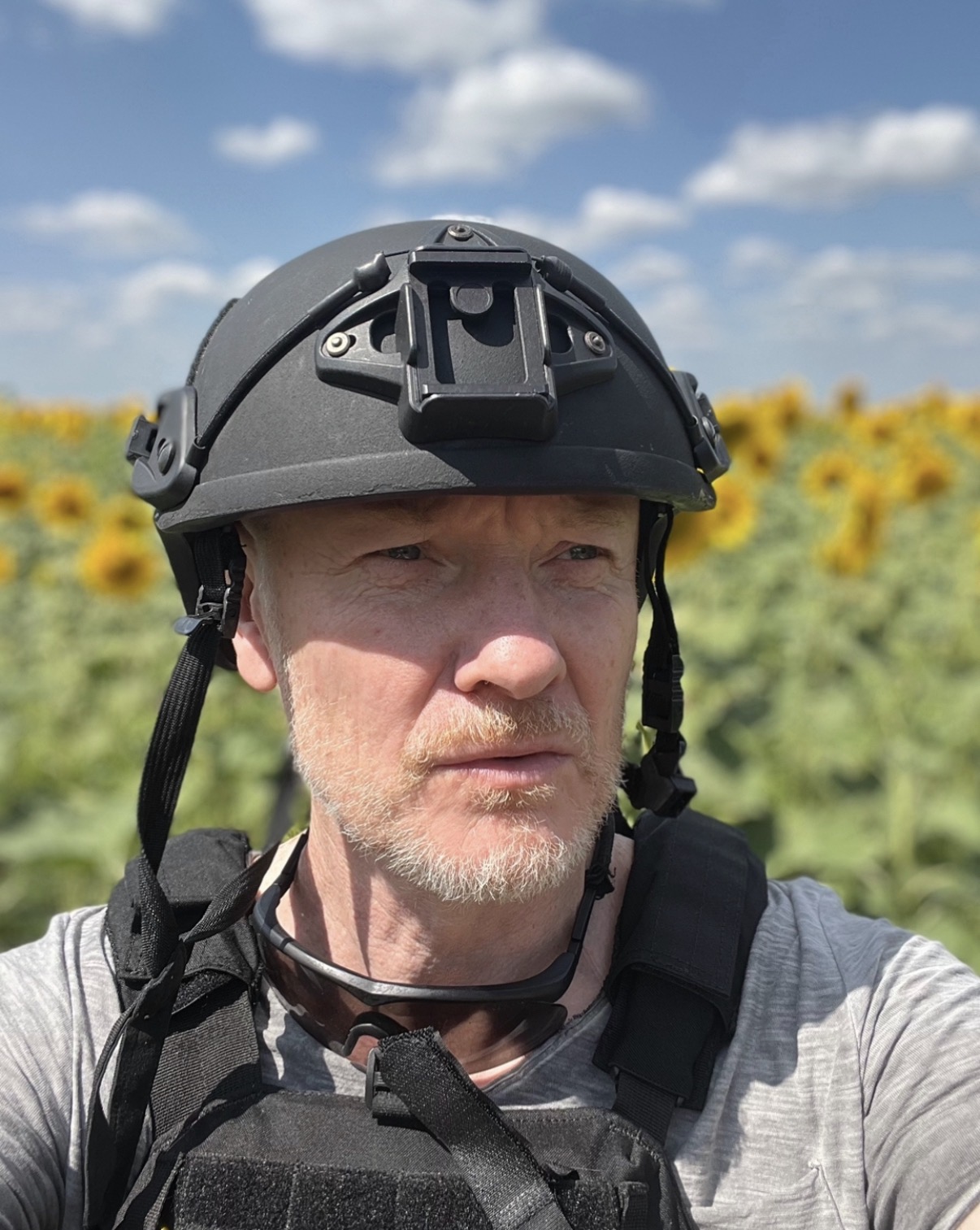
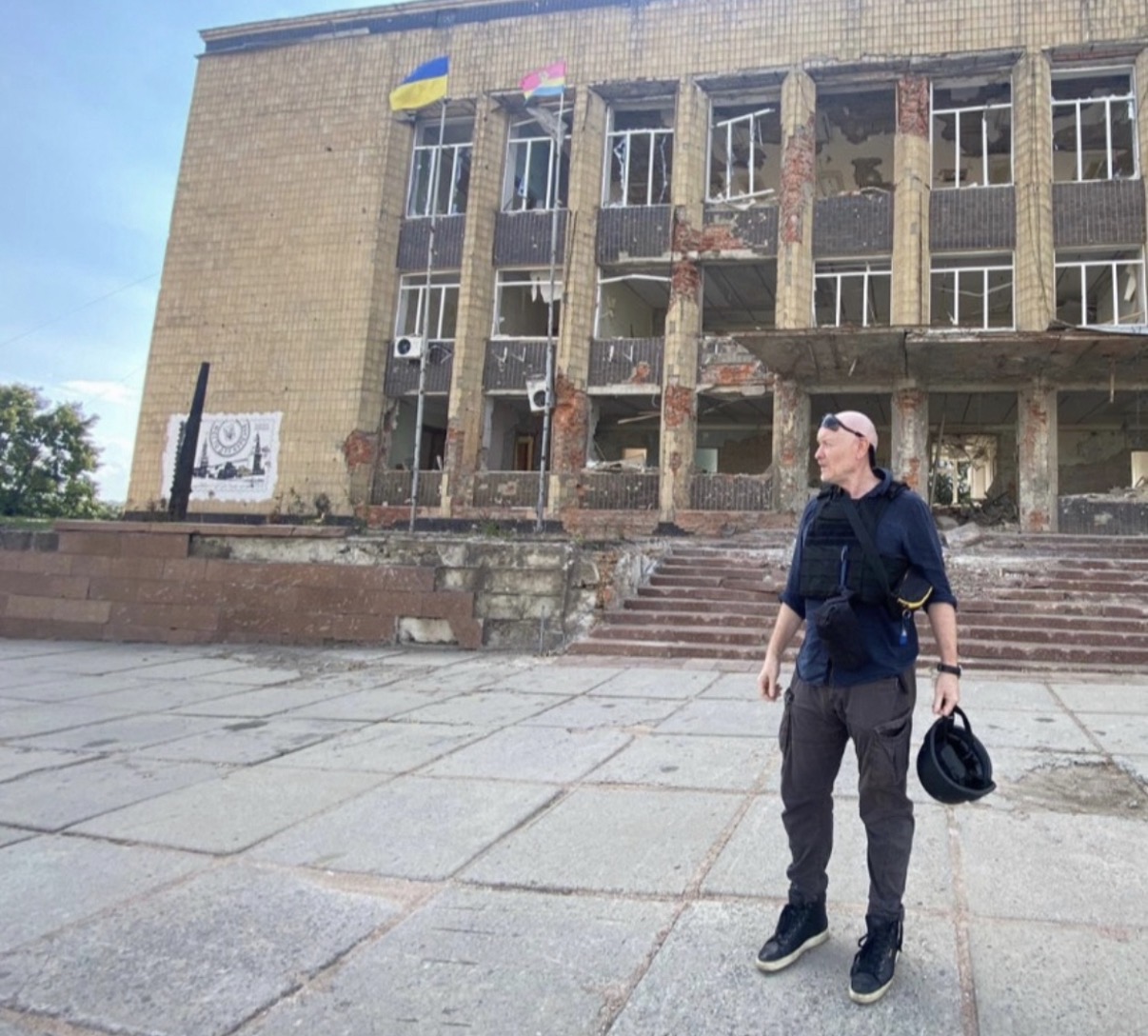
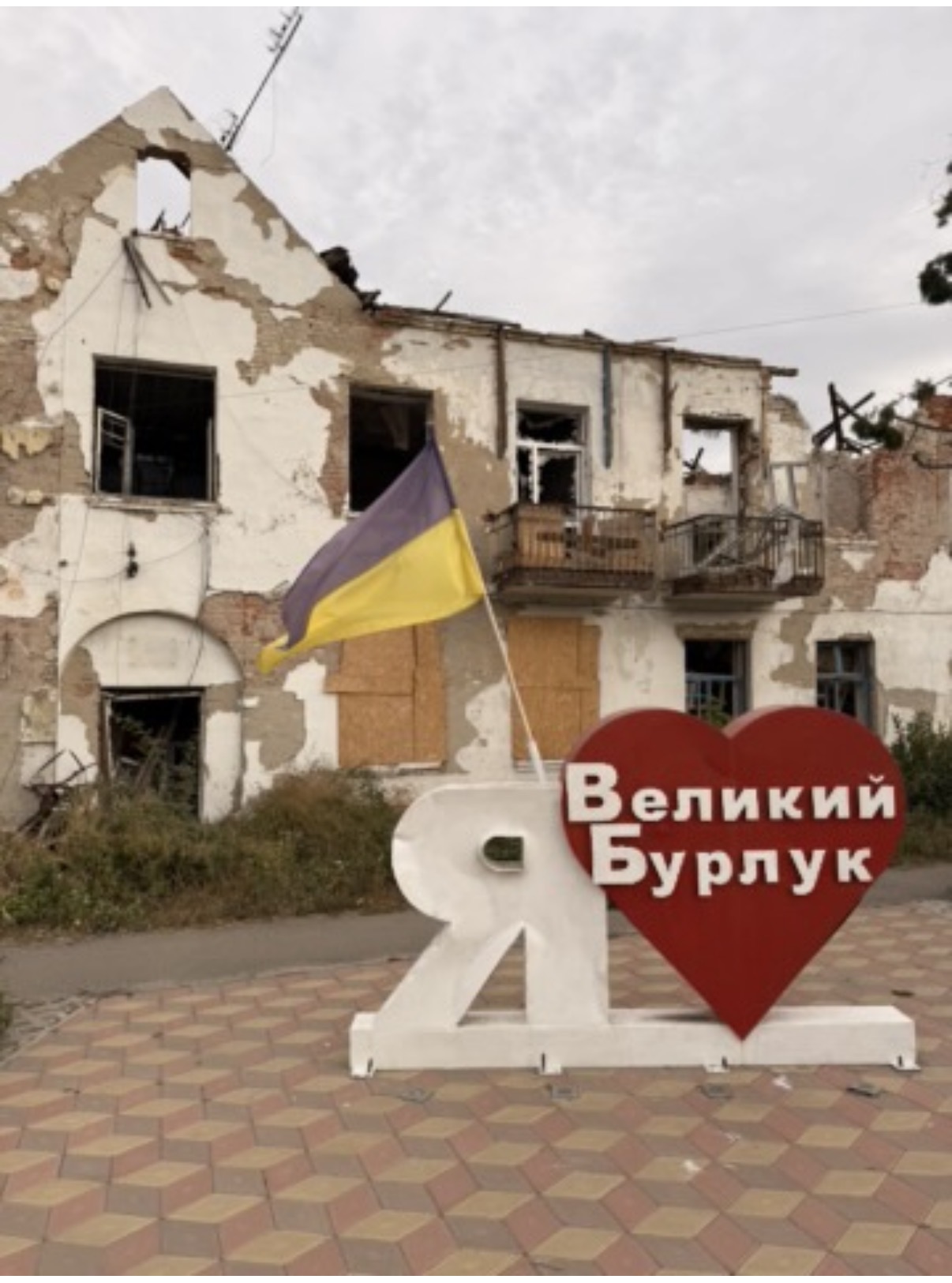
Closer to the front line, things are more dangerous. In some villages and towns few buildings have survived the intense shelling. I’ve been coming here regularly since Russia’s February 2022 invasion, reporting for the New York-based NGO Human Rights First on the work of local human rights activists. Since 2022 I’ve spent about a year in total in Kharkiv.
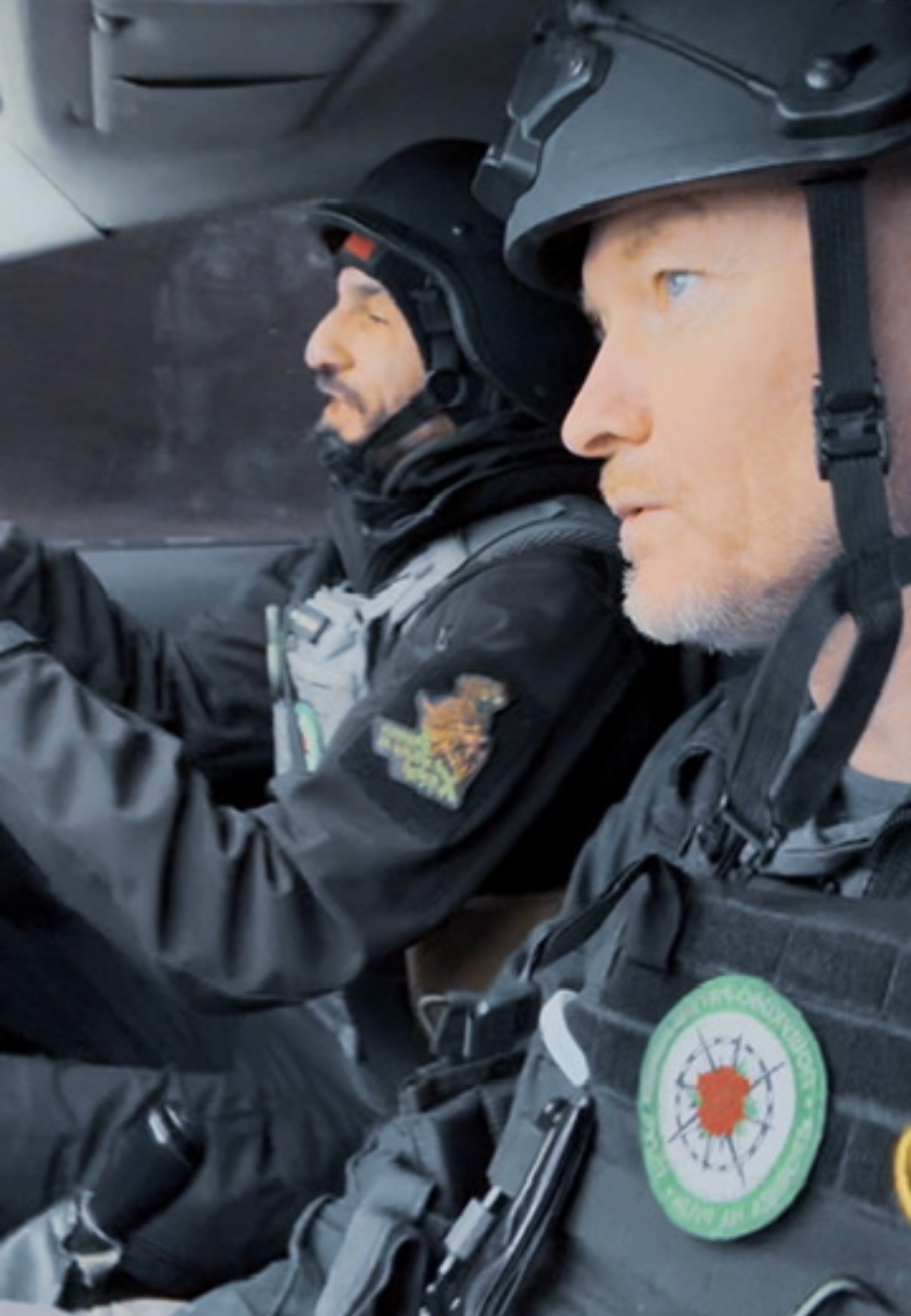
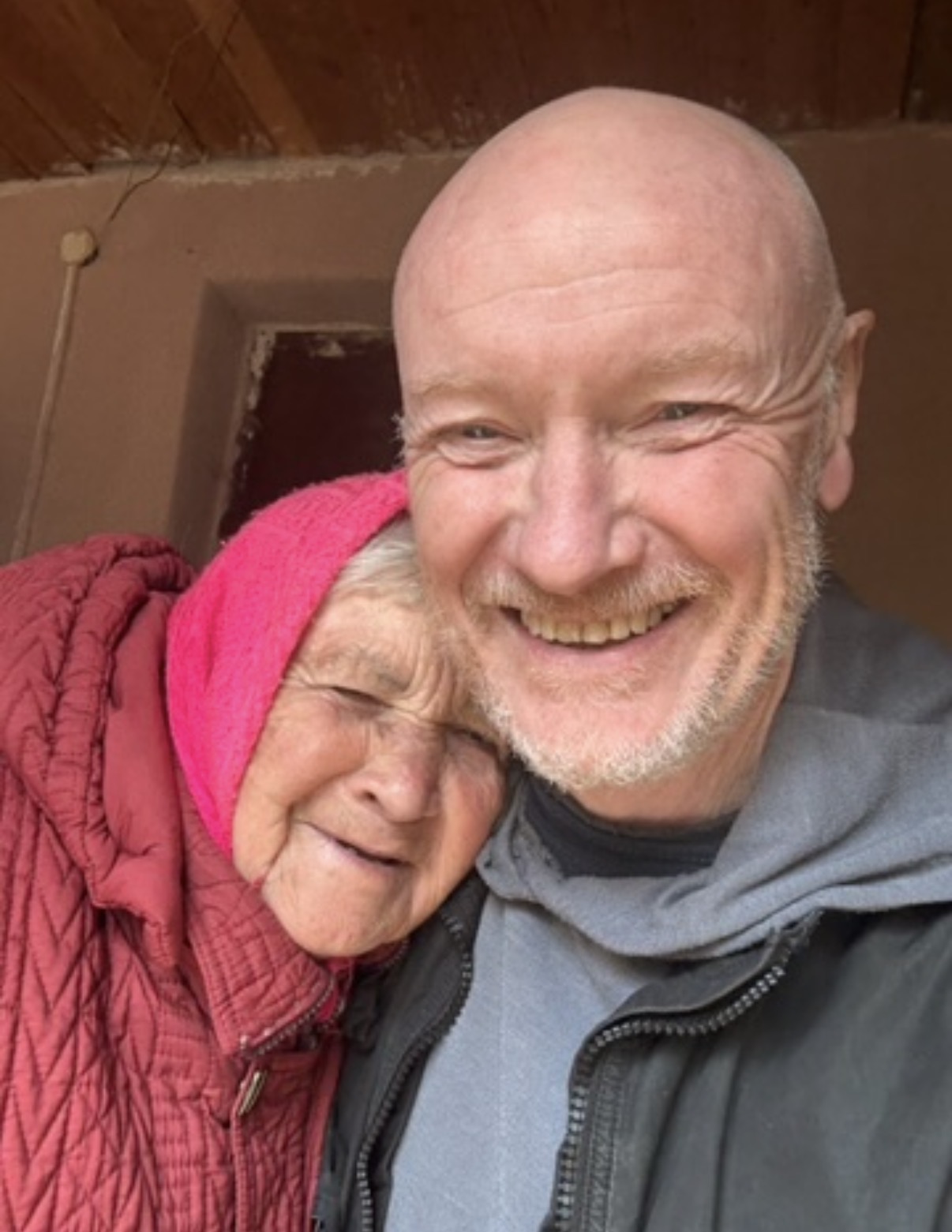
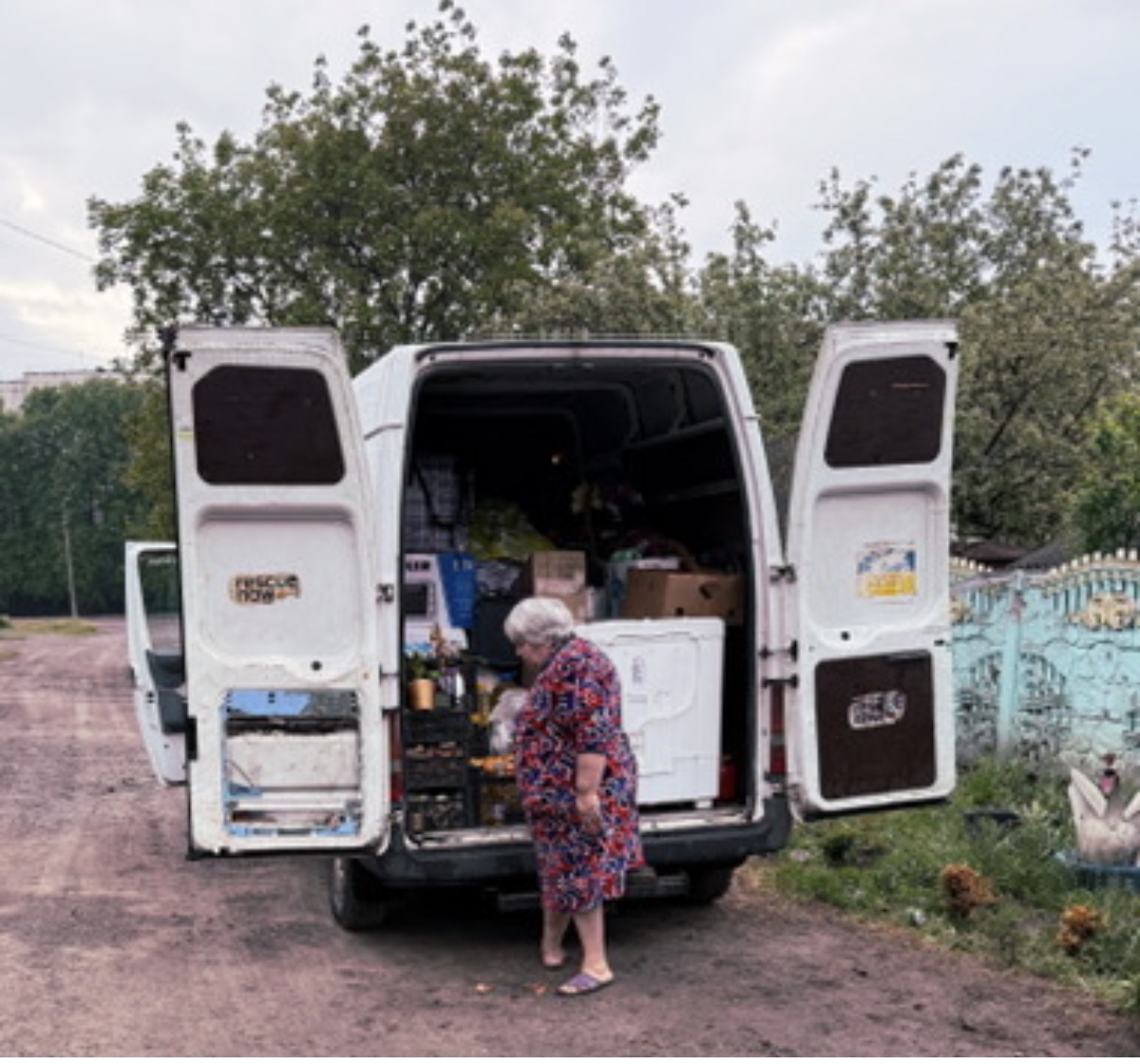
I’ve been helping to evacuate people from the front line for the last few years, driving with local volunteers to rescue mostly elderly people from communities under fire. I’m only here every couple of months but local volunteer activists go virtually every day.
Russia’s mass production of lethal drones makes this work increasingly dangerous. Some of those I’ve worked alongside have been injured, others killed.
In recent months, small, fiber optic drones have begun to transform the war. They are cheap, and unlike radio-controlled drones, are unjammable and virtually impossible to detect. They can see through darkness and clouds and their range has increased dramatically, from a few miles in 2024 to at least 20 miles now. The evacuation activists I work alongside rightly fear them.
Many of those hit are civilians. UN officials reported that civilian casualties across Ukraine in May were the highest in over four years. Short range drones killed at least 64 civilians and injured 539, the highest monthly toll for those weapons since Russia’s full-scale invasion in February 2022.
This week I helped evacuate a woman from the frontline village of Velykyi Burluk, bringing her back to relative safety of Kharkiv city. I’ve been on dozens of these trips to the front line over the years, getting one or two people at a time, occasionally a whole family.
When I show my Irish passport as ID at checkpoints on the way to the front line it’s usually met with a thumbs up and smiles, although this week I was asked why a Limerick-based smelting plant continues to export vast amounts of alumina to Russia. The Irish government is investigating whether these are being used by Russia’s military.
Kharkiv doesn’t have much of an obvious Irish connection, although in September 2022, 23 year-old Rory Mason from Dunboyne in County Meath was killed near here fighting with Ukraine’s military in the International Brigade, which he had joined within weeks of Russia’s invasion six months before.
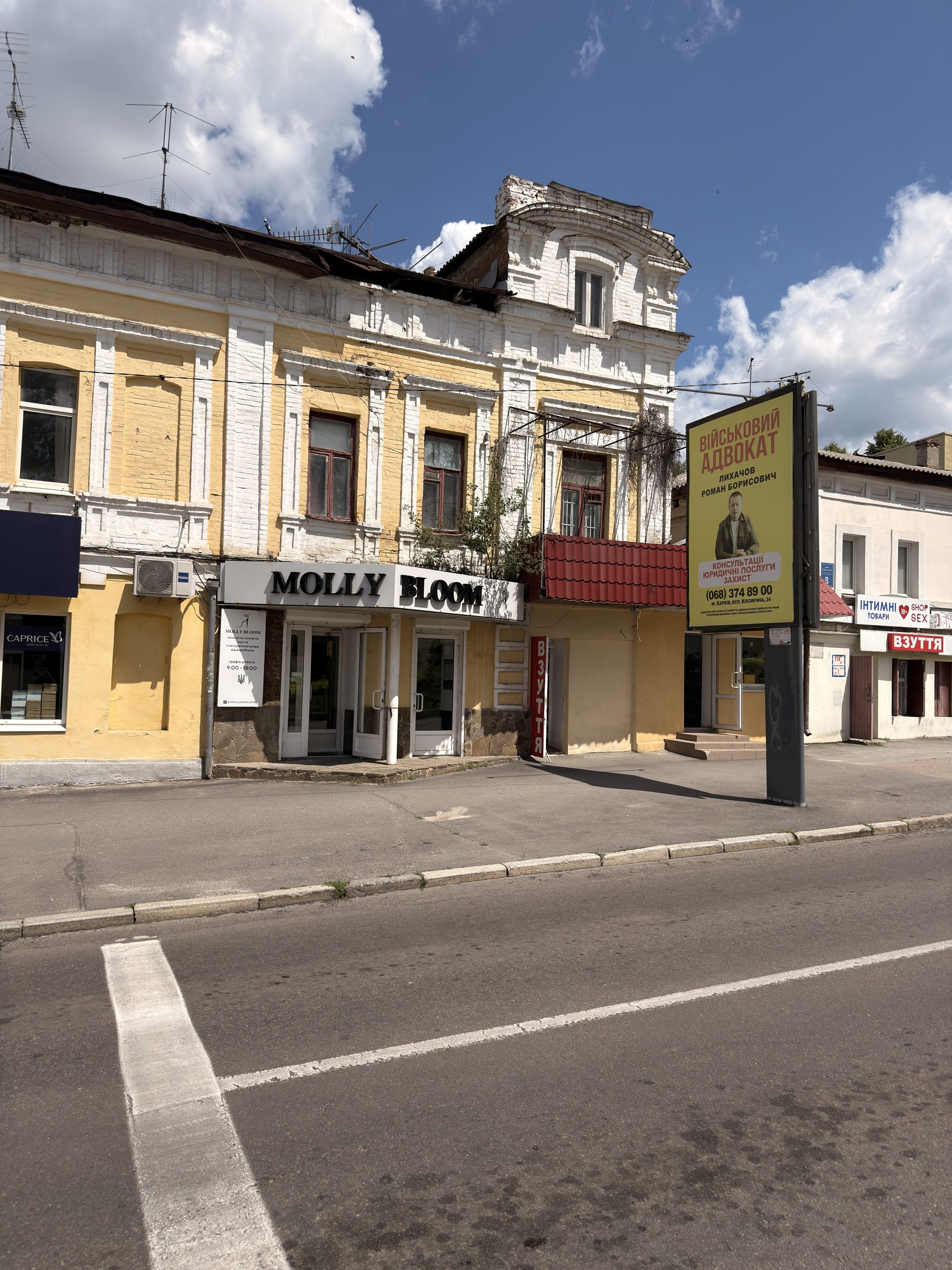
I’ve been asked a few times about Brian Friel’s Translations (which had a successful run in Kyiv), and the 2006 movie The Wind that Shakes the Barley, which also resonates here. Kharkiv has a few mediocre Irish pubs, and a women’s shoe shop called Molly Bloom: Iryna, who works there, told me apologetically that it’s named after the American skier turned poker princess of the 2017 film “Molly’s Game”, not the character in Joyce’s Ulysses.
Many of the 80,000 or so Ukrainians now living in Ireland are from around here. I’ve met a few families from Kharkiv who fled the war ended up in west Kerry’s Gaeltacht. Some locals here have relatives in various places across Ireland, and a sense of what life is like there. This week landscape gardener Mykhailo told me his daughter has recently moved to Donegal, where she discovered the beaches are deserted and unspoilt “because the weather is so terrible.”
The weather here is much worse, and a severe challenge during the war. Russia bombards the city’s heating infrastructure during the winter, when temperatures regularly get to minus 20 celsius (minus 4 Fahrenheit). Kharkiv, like other places across Ukraine, has so far survived four freezing winters under intense shelling, but those bitterly cold months are extremely harsh.
Most people here view fresh reports of peace negotiations with skepticism. It’s hard to believe any of this will end soon when hospitals, schools and homes are being bombed from the air. For now, locals are mostly focused on surviving and adapting.
Brian Dooley is a prominent Irish human rights activist, author, and expert on transnational civil rights and human rights defenders.
He is the author of several books focusing on political identity, civil rights, and U.S. politics. Notable titles include: Black and Green: The Fight for Civil Rights in Northern Ireland and Black America (Pluto Press, 1991), Choosing the Right Path (a study of Robert Kennedy) and his recently published Defiant: Profiles of Resistance (eleven accounts of ordinary Europeans who became unlikely human rights defenders).
Leave a Reply