
It’s a pity that Anon, the author of those words, had nothing to say about culture.
Or Dublin and culture. And thus alleviated the predicament of this tortured culchie. (A culchie is one who was born outside the capital city.) The reason for the tortured state? It’s the designation of Dublin, capital of the Republic of Ireland, as the European City of Culture for 1991.
My friend Marc says that culture has several meanings: One has to do with developing the intellectual and esthetic sensibilities, another has to do with what grows in yogurt. I like yogurt.
Prior to my in-depth research (“Marc, what is culture?”), you might understand why, as a culchie, I always assumed that culture had everything to do with us or yogurt and little to do with Dubliners, known to us as Dubs or Jackeens. But then along comes 1991, the year of Dublin as European City of Culture.
How did this state of affairs come about?
Well, we have Melina Mercouri to thank or to blame for it. Melina, a former movie star and then Minister of Culture of Greece, suggested back in 1985 that the European Community should give a city in a member state the designation of European City of Culture.
The idea was that cultural relations between member states would be improved.
The title would rotate from year to year and this would allow the cities to showcase their own cultural values and achievements to the rest of Europe, and at the same time to host some of the best cultural offerings from other EC countries.
The other cities that have hosted the title are Athens, Florence, Amsterdam, Berlin, Paris and Glasgow, each of which had millions to spend on the venture – in marked contrast with the paltry sum available in Dublin.
Myriad events have been organized to celebrate the year, some of which are listed on these pages.
For many people Dublin’s cultural identity comes solely from its function as a nursery of great literary talent. Do I need to name them (yes, because I am paid by the word): William Butler Yeats, one of the greatest poets of the twentieth century; James Joyce, author of Ulysses; playwrights Richard Brinsley Sheridan, John Milling-ton Synge, Sean O’Casey and George Bernard Shaw; the great, wild Oscar Wilde; the clerical satirist Jonathan Swift, author of Gulliver’s Travels, and dean of St. Patrick’s Cathedral; Bram Stoker, who created Dracula; the short-lived Brendan Behan, who savaged the church but mused that “blasphemy is the comic verse of belief,” Samuel Beckett… Joyce, Wilde, Shaw and Beckett went swiftly into exile – which says what for their opinion of Dublin and its culture?
But we won’t go into that. Let us not succumb to begrudgery, such an assiduously cultivated growth in Ireland.
Then again, why the heck not? Didn’t Oliver St. John Gogarty, another literary Dub who contributed to the city’s cultural lode, write that “Ireland is a place or state of repose where souls suffer from the hope that the time will come when they may go abroad.”
There are lots of reasons to celebrate the culture of Dublin. For one thing, it’s got good yogurt. It’s also a lot less cluttered than it was back in the days when a society hostess called it “dear, dirty Dublin.” Like a lot of the dirt, the name stuck. And it is still appropriate — mainly because a lot of fine old Georgian buildings have been torn down over the years to make way for “development” and help create a different culture in the city.
Dublin’s cultural life used to be enriched by a stock of old characters, like the Bird Flanagan, who once pretended to steal a ham so that he could enjoy the cop-chase; or Endymion, a white-trousered, black-tailed, bowler-hat-ted, sabre-rattling gent who never went anywhere without a compass so that he could verify the whereabouts of the sun.
It was rarely shining – that was in the days before we burned through the ozone layer.
Those characters are long gone. Thankfully, however, their cultural and sartorial mores are upheld by numerous rock stars who call Dublin home. Most notable among these, particularly for their maintenance of the old-time dress code, are Bono of U2 and Liam O’Maonlai of Hothouse Flowers. Of course, they have a lot more shillings than Endymion ever had.
In a sense, it’s about as useful to attempt a summation of Dublin and its culture as it is to ask, “What are the stars? What is the moon?” as Joxer did in Juno and The Paycock.
Dublin is dear and dirty. It’s Strumpet City, and country people making it home.
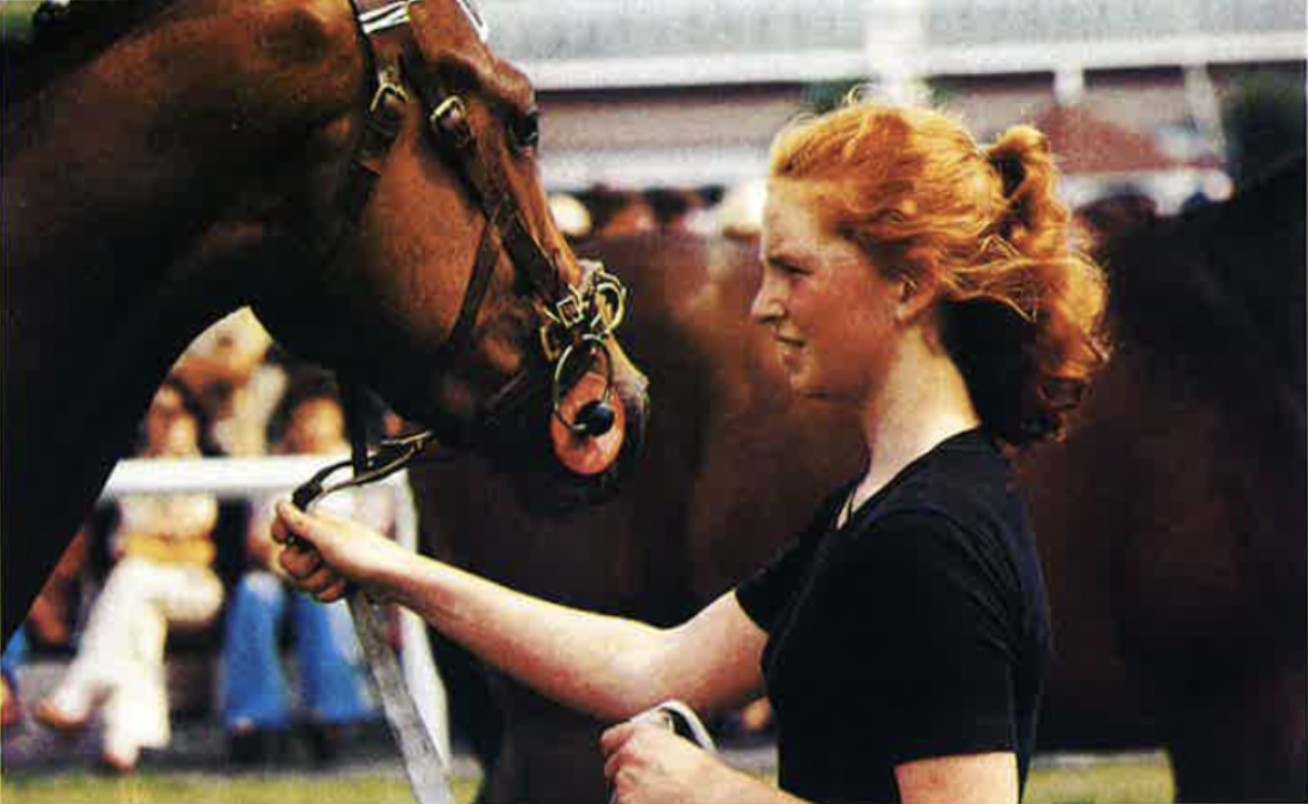
It’s the Horse Show at the RDS in August and greyhound racing at Harold’s Cross.
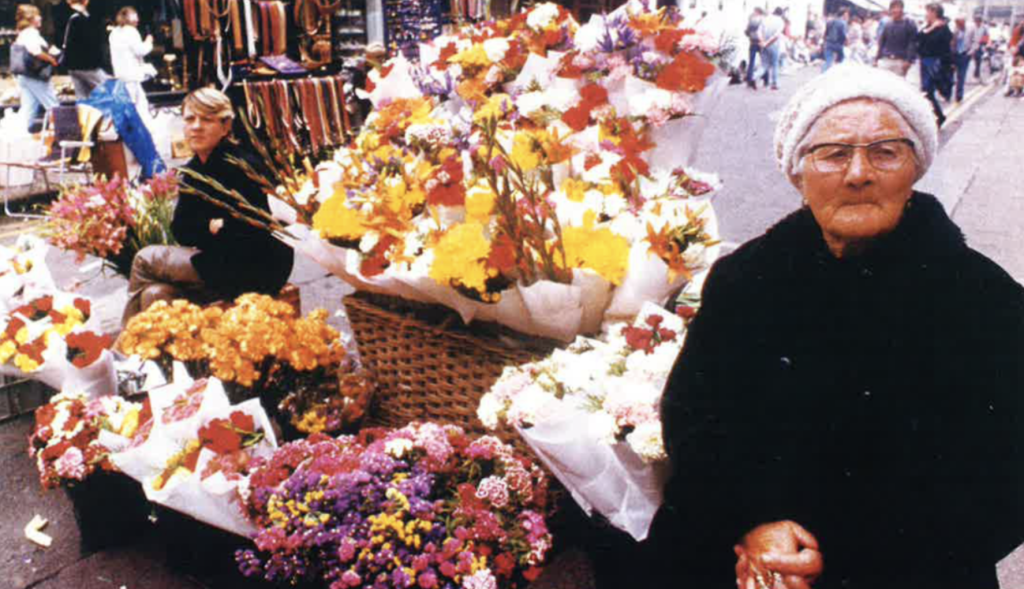
It’s Moore Street for open-air shopping, especially at Christmas, when you won’t be able to measure a pace without being accosted with the warning, “Get the last of the lucky Starlights!” (What are Starlights? we culchies have often wondered, and dare not ask.)
It’s also DRINK. I bet you wondered why it took so long to get to that one. It’s the Guinness brewery where you can see how they make the black stuff. Obviously, a cultural shrine, which visitors should have no trouble finding. As a bus conductor once told a worried visitor who enquired as to its whereabouts, “Ye’erall righ’; just get off at the smell.” He was and he did. The smell was from the hops.
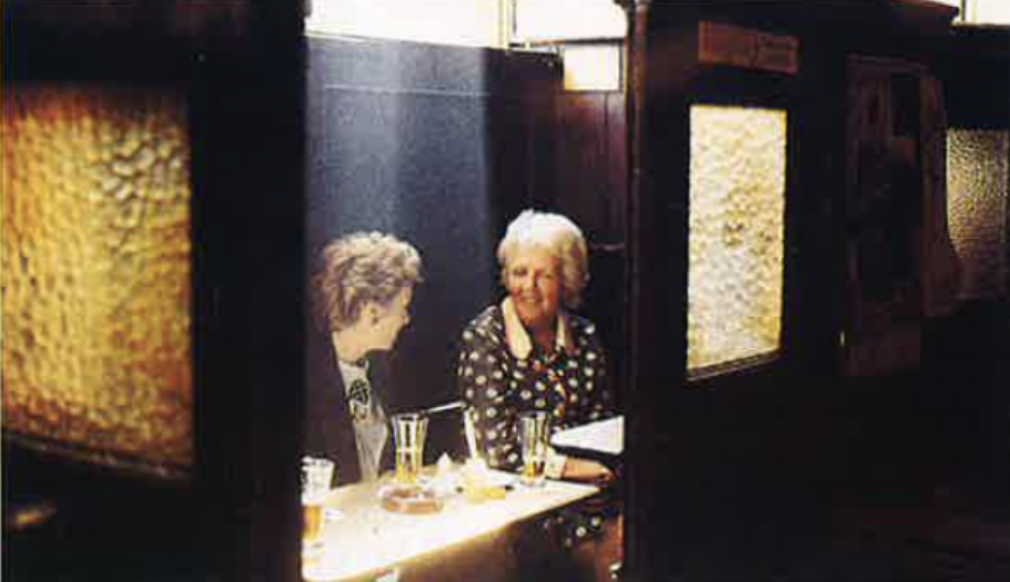
The importance of drink — or pubs— to the cultural life of Dublin? What’s there to say? In Ulysses, Stephen Dedalus pondered the challenge of going from one side of the city to the other without passing the door of a pub. If you want to tap in to that side of Dublin’s rich and frothy-headed culture, some words of advice: Mulligan’s of Poolbeg Street, the Brazen Head behind Christ Church Cathedral, the Pearl and the Palace, both in Fleet Street, Kavanagh’s, O’Donoghue’s, Doheny & Nesbitts….
And I’m not even mentioning the best one.
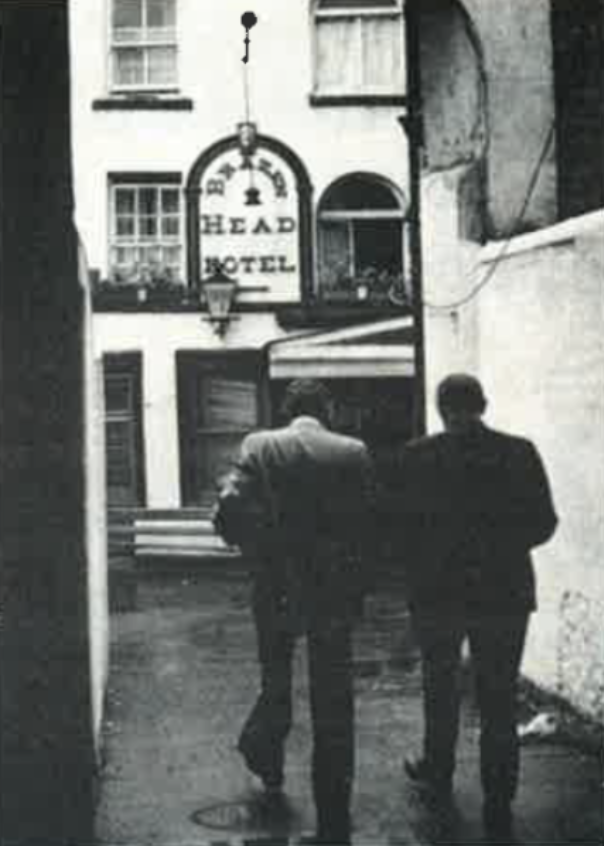
To be kept secret. Secretiveness, that’s part of the culture too.
Like Bewley’s Oriental Cafes. Kerry poet Brendan Kennelly once wrote that Bewley’s “is the heart and hearth of Dublin… it is friendly, warm, lively and zip-pydoo. In the winter when Bewley’s is damp, it has lots of extra interesting smells. You have to jostle a bit, I notice, during winter. But the man who doesn’t enjoy a bit of Bewleyjostling should be sentenced to some other kind of coffee.”
Bewleyjostling is an essential part of Dublin culture. As is buying curried chips from Italian takeaways late at night, going to GAA games at Croker (Croke Park), soccer and rugby at Lansdowne Road, getting burned on the face and forearms on the one or two hot days of the year, looking for bargains in Clerys, looking for posh stuff in Brown Thomas, looking for the craic on weekends, looking in vain for the last bus home.
The last bus home is always gone — that’s a central tenet of Dublin culture.
One always misses the last bus by five minutes because they close down service at the same time that pubs are supposed to close down.
Buses, yes buses, are a very important element in the culture of Dublin. I don’t mean your tourist buses, just your everyday CIE oil-spilling monsters. My personal favorites are the 16 or the 16A, the latter on which I once heard an old man rock the bus better than its crockedy CIE suspension could ever do, as he regaled us with stories about the hitherto unimagined amorous engagements of President Éamon de Valera. We never knew he had it in him. Who cares that it wasn’t true? It was a good story. And it would have been rude to argue with the man. It wouldn’t have been cultured, now would it?
Editor’s Note: This article was originally published in the June 1991 issue of Irish America. ♦
Leave a Reply